Hanoi rewards slow exploration. Its sights are compact, its food is everywhere and its rhythm — early mornings by the lake, long lunches, busy evenings on the pavement — is best experienced rather than rushed. This guide covers how to plan your days and the practical things worth knowing.
How long to stay
Two full days for the city, three or four with a day trip, and a week if you add a night on Ha Long Bay and a couple of nights in Sapa.
Itineraries
One day
Morning by Hoan Kiem Lake and Ngoc Son Temple; walk the Old Quarter; lunch on bun cha; afternoon at the Temple of Literature and Hoa Lo Prison; a water puppet show and a street food tour in the evening.
Two days
Day one as above. Day two: the Ho Chi Minh Mausoleum (if open) and One Pillar Pagoda early, the Imperial Citadel, then Tran Quoc Pagoda and West Lake for sunset; a Vespa night tour or Ta Hien street to finish.
Three or four days
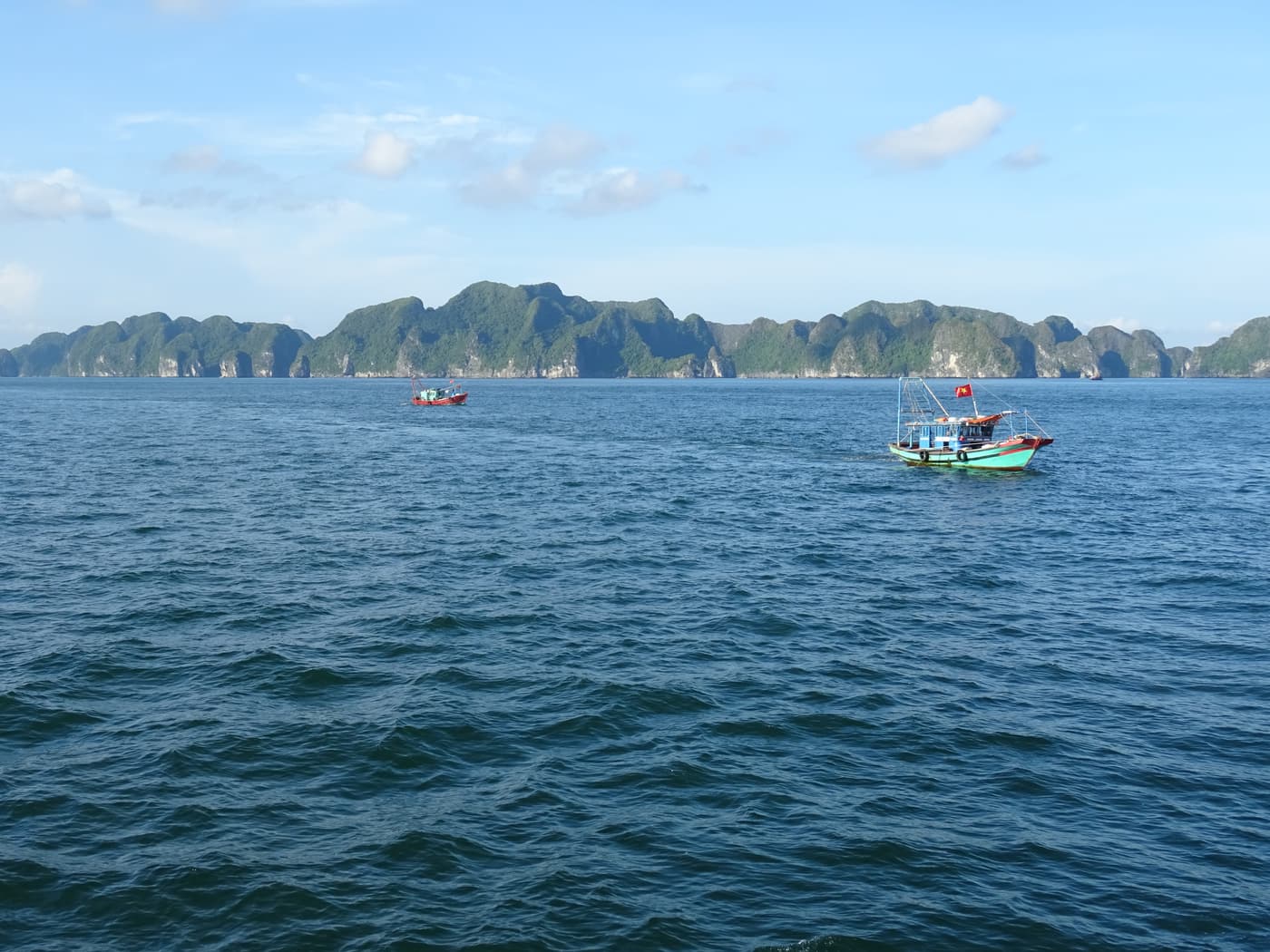
Add the Museum of Ethnology, the French Quarter and a cooking class, plus a day in Ninh Binh or on Ha Long Bay. See day trips from Hanoi.
Rough daily costs
Indicative only — prices vary and change.
| Item | Rough cost | Notes |
|---|---|---|
| Street food dish (pho, bun cha) | around VND 40,000–80,000 | More in tourist-facing restaurants |
| Coffee / egg coffee | around VND 25,000–60,000 | Higher in lake-view cafés |
| Glass of bia hoi | low, often under VND 20,000 | Fresh draught beer, sold early evening |
| Museum or temple entry | usually modest | Check current fees at the gate |
| Short Grab ride in the centre | roughly VND 30,000–80,000 | GrabBike is cheaper than a car |
| Food tour / water puppets | see our tours page | Indicative “from” prices |
 Old Quarter, Hoan Kiem & French Quarter
Old Quarter
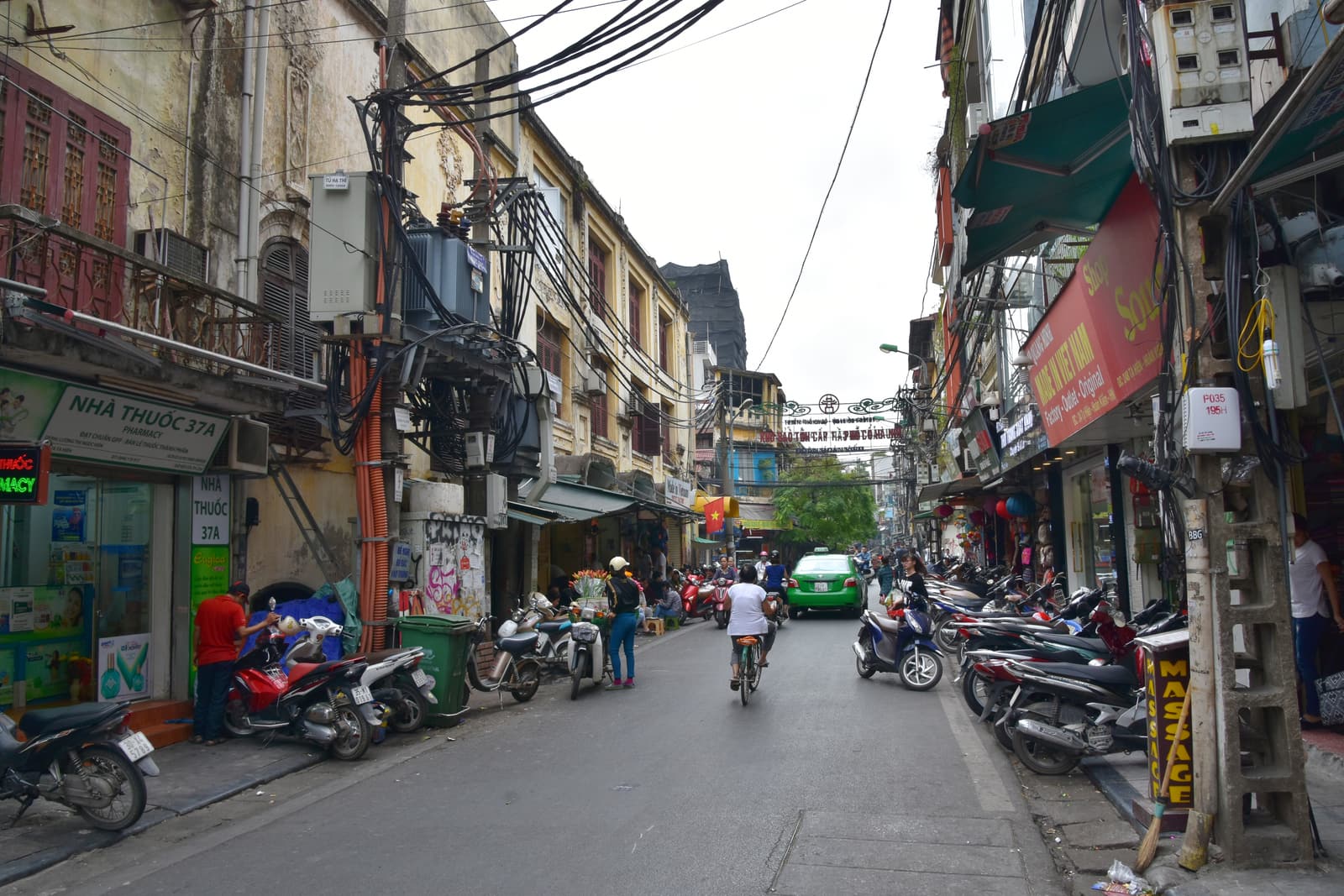
The 36 streets — Hanoi at its busiest and most delicious
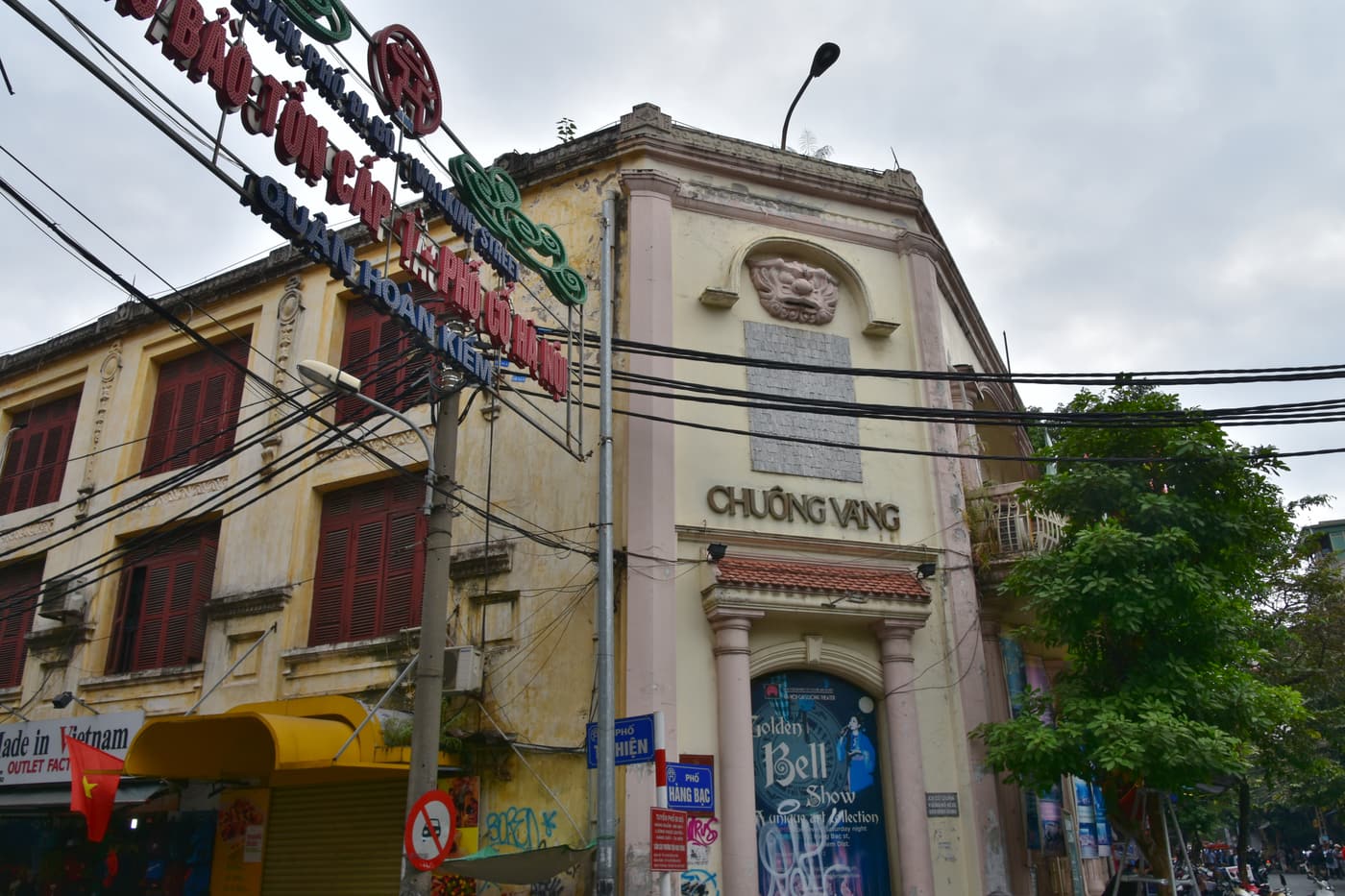
A tangle of narrow streets north of Hoan Kiem Lake, each once named after the trade carried on there. Tube houses, temples hidden behind shopfronts, street food on every pavement and Ta Hien beer street at night.
 Old Quarter, Hoan Kiem & French Quarter
Hoan Kiem Lake & Ngoc Son Temple
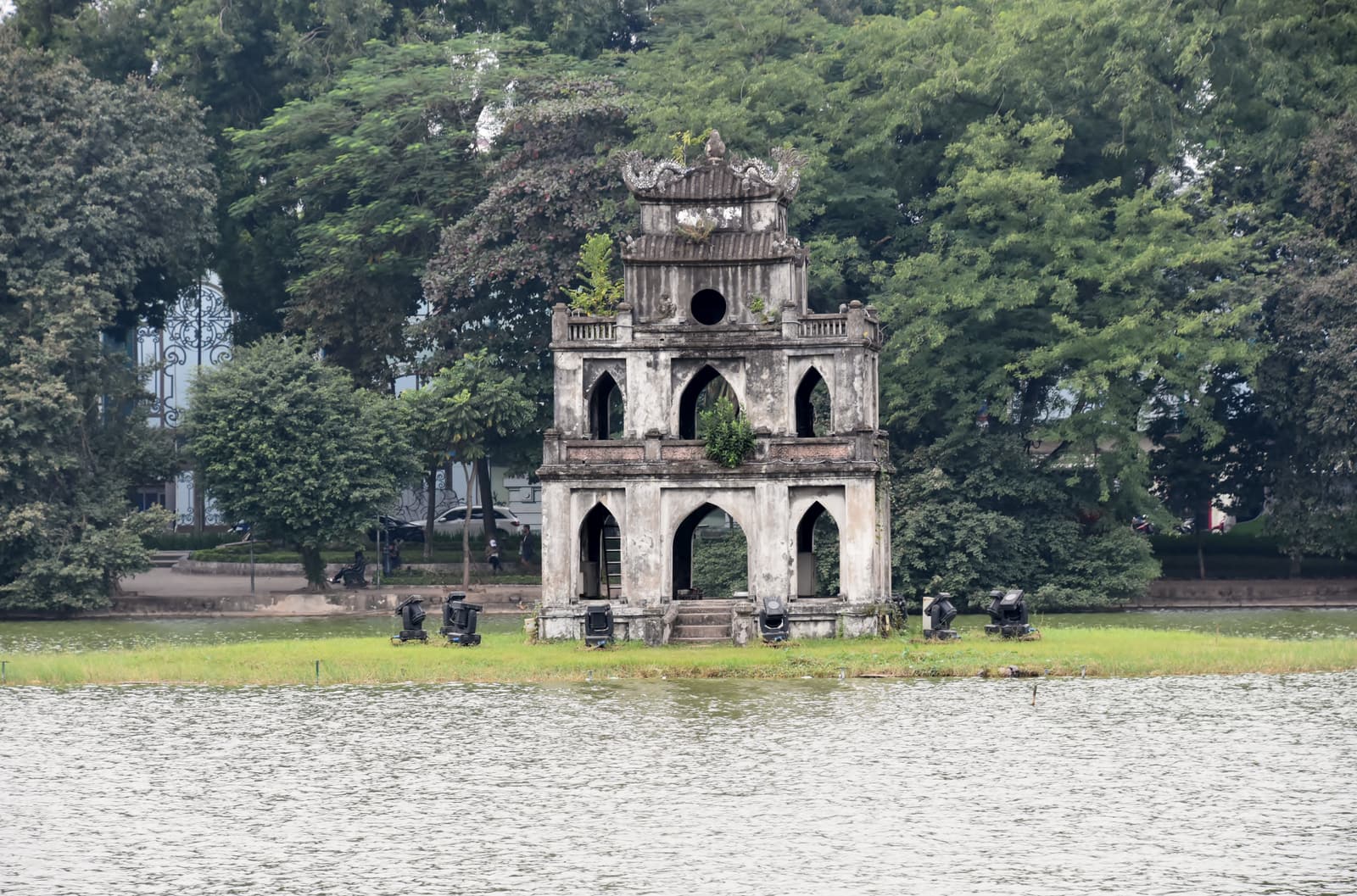
The Lake of the Returned Sword, the heart of the city
The green lake at the centre of Hanoi, with the Turtle Tower on its islet and Ngoc Son Temple reached by the red The Huc bridge. On weekend evenings the streets around it close to traffic and become a walking street.
 Old Quarter, Hoan Kiem & French Quarter
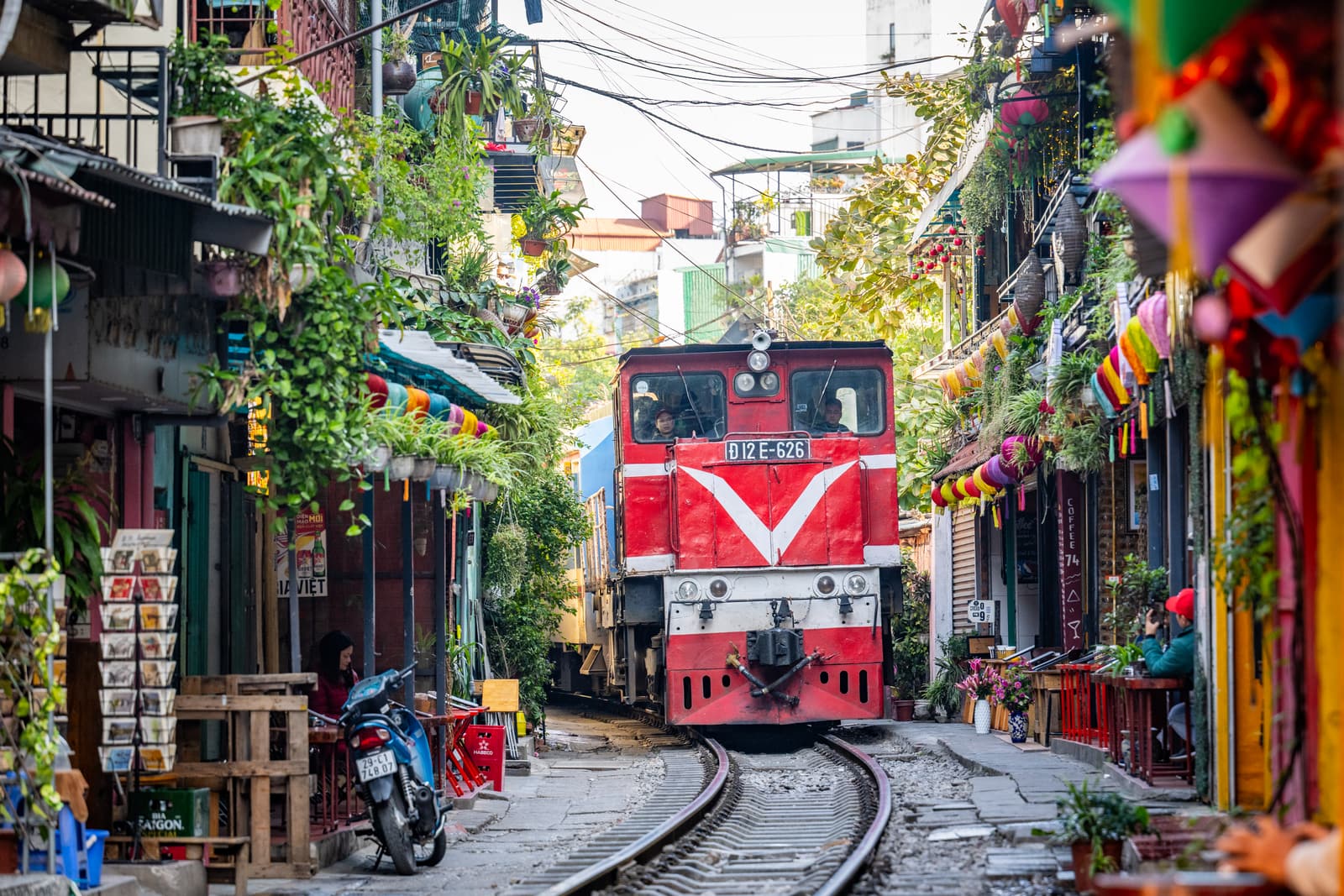
Train Street
Where the railway runs a hand’s width from the front doors
A stretch of the old railway through the Old Quarter where trains squeeze between the houses. Cafés line the track — but access has been restricted on and off for safety, so check the current situation before you go.
 Old Quarter, Hoan Kiem & French Quarter
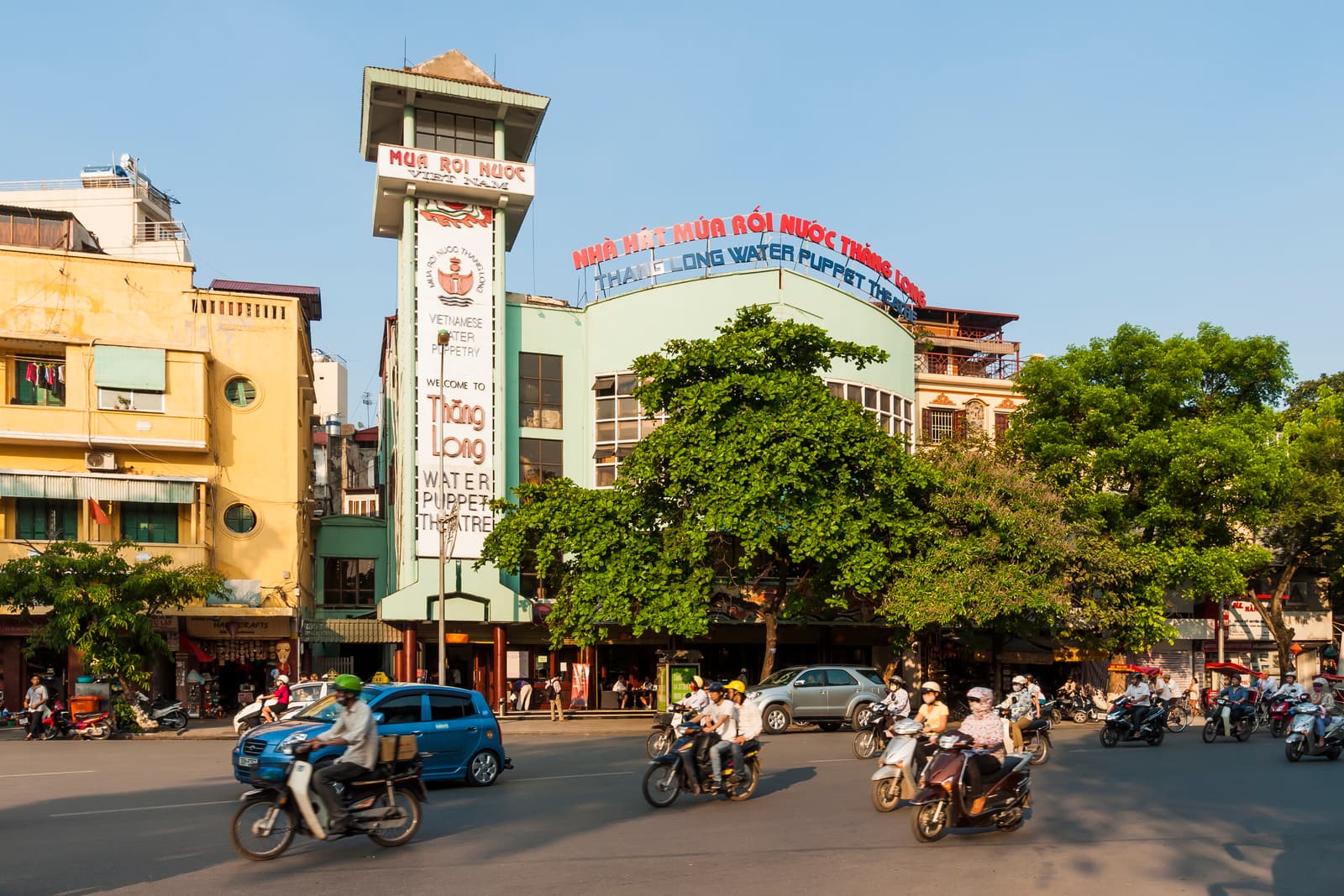
Water Puppet Theatre
Puppets that dance on water, with live music
Water puppetry began in the rice-farming villages of the Red River delta. In Hanoi you can see it at the Thang Long Water Puppet Theatre beside Hoan Kiem Lake and at other theatres: short shows, live musicians, dragons, farmers and fireworks on the water.
Money
The currency is the Vietnamese dong (VND). Notes have many zeros — check twice before handing over 500,000 instead of 50,000. ATMs are everywhere in the centre; cards are accepted in hotels, larger restaurants and shops, but street food, markets and small cafés are cash only. Tipping is not expected but appreciated for guides and drivers.
Phone, internet and apps
Buy a local SIM or eSIM at the airport or in town for data. Grab (rides and food delivery) and a translation app are the two most useful apps; Google Maps works well. Wi-Fi is available in almost every hotel and café.
Safety and scams
- Traffic is the main danger. Cross slowly and predictably; look both ways even on one-way streets; be careful of motorbikes on pavements.
- Bag and phone snatching from passing motorbikes happens. Carry bags on the side away from the road, and do not hold your phone out at the kerb.
- Overcharging: agree prices for cyclos, unmetered taxis and food without a menu. Use Grab or official taxis.
- Street vendors may hand you a carrying pole for a photo and then ask for money. A polite “no thank you” works.
- Train Street: follow the current rules and instructions — see our Train Street guide.
Etiquette
- At temples, pagodas and the mausoleum, cover shoulders and knees, remove hats and speak quietly. Remove shoes where others do.
- Ask before photographing people, especially at markets and in villages.
- Respect for Ho Chi Minh and national symbols is expected; avoid jokes or disrespect at the mausoleum.
- Use both hands, or your right hand, to give and receive money or cards politely.
Health
Drink bottled or filtered water. Street food is generally safe at busy stalls where food is cooked fresh. Use mosquito repellent, especially in summer. Air quality can be poor on some winter days — check an air-quality app if you are sensitive.
Where to stay and how to arrive
See where to stay in Hanoi and getting to Hanoi.