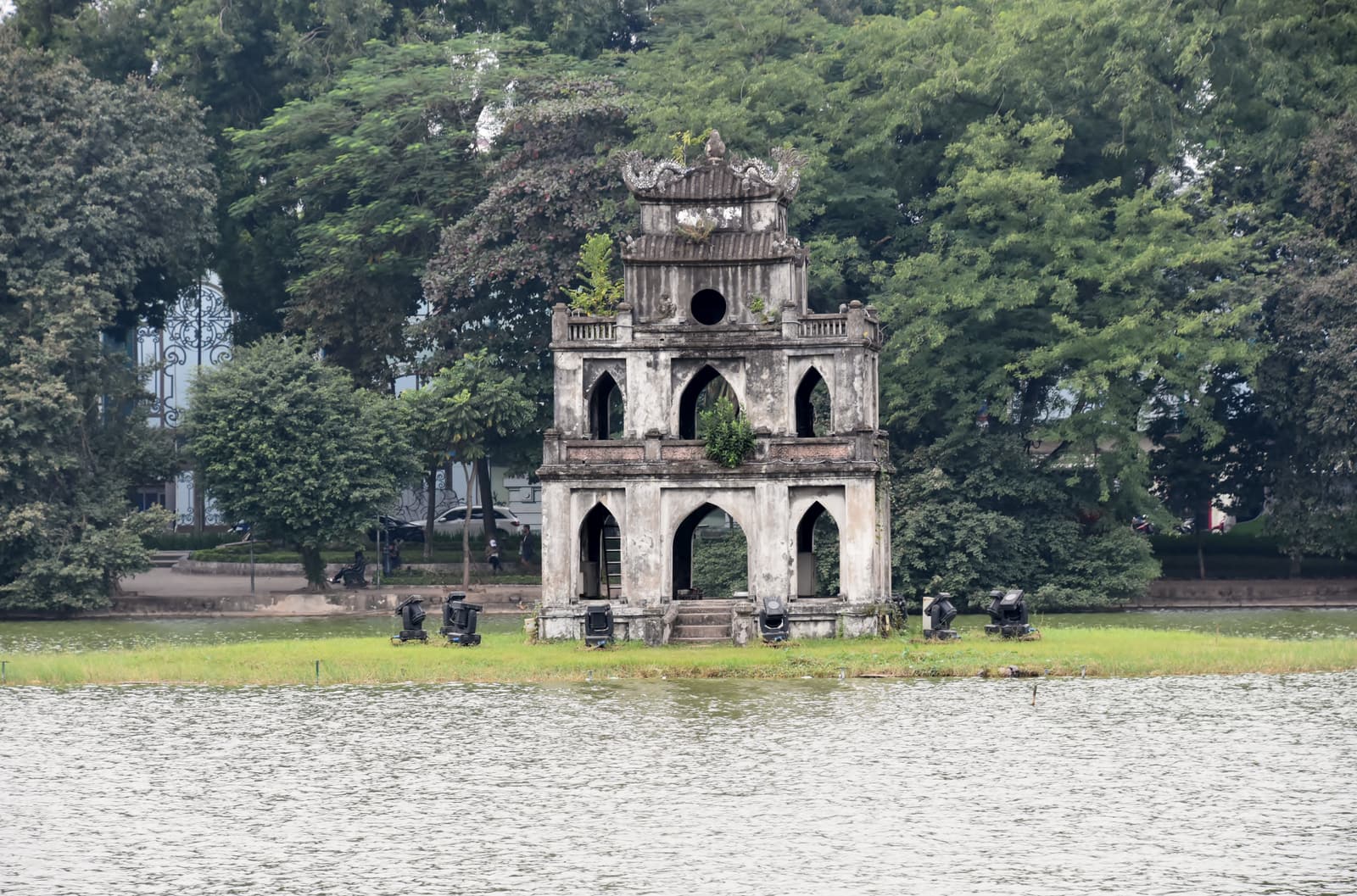
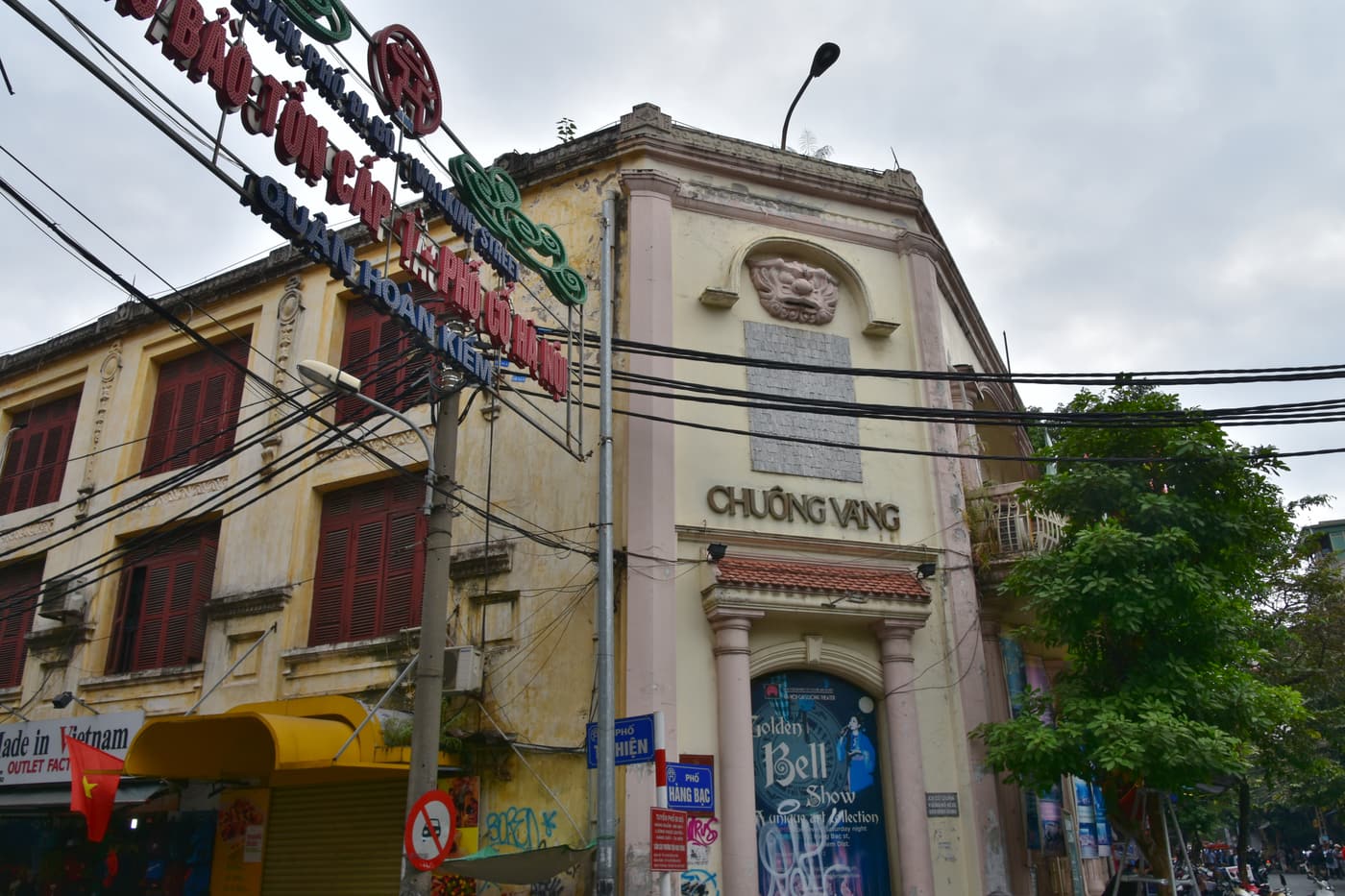
The Old Quarter is the knot of streets between Hoan Kiem Lake and the Red River dyke, and the part of Hanoi most visitors fall for. It is often called the “36 streets”: from the 15th century onwards each street was settled by a guild, and many still carry the trade in their name — Hang Bac for silver, Hang Gai for silk, Hang Ma for paper goods, Hang Thiec for tin. Some streets still sell what their name says; most have moved on to cafés, guesthouses and shops.
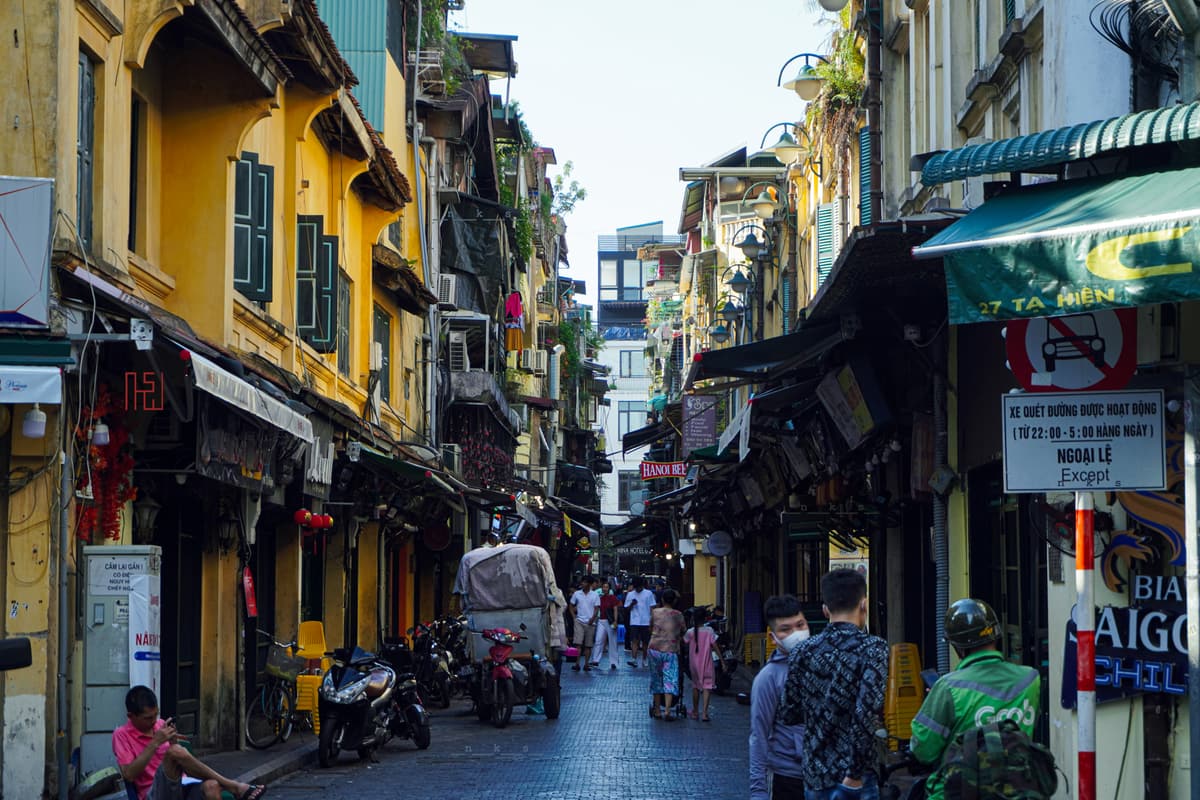
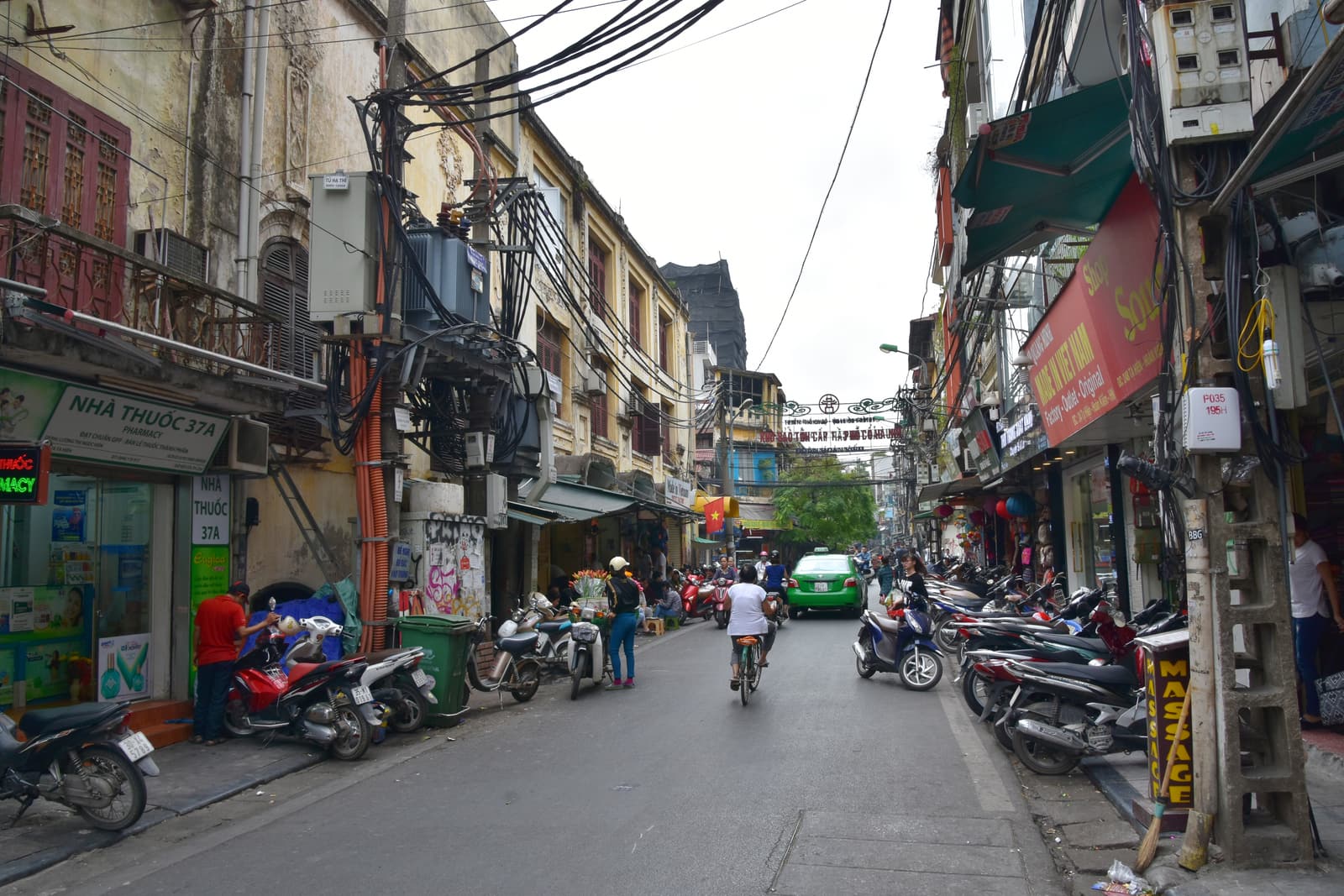
The houses are “tube houses”: a narrow shopfront, then rooms running a long way back. Behind the plastic stools and parked motorbikes there are communal houses, small temples and the restored merchant’s house at 87 Ma May. Come early in the morning for the street breakfast stalls, or in the evening when the pavements become one long open-air restaurant. For orientation, see our Hanoi travel guide.
What to see and do: Old Quarter
Walk the trade streets
Start at the north end of Hoan Kiem Lake and wander — getting a little lost is part of it. Look up at the old façades above the shop signs, and look into the narrow passages that lead to courtyards and family altars.
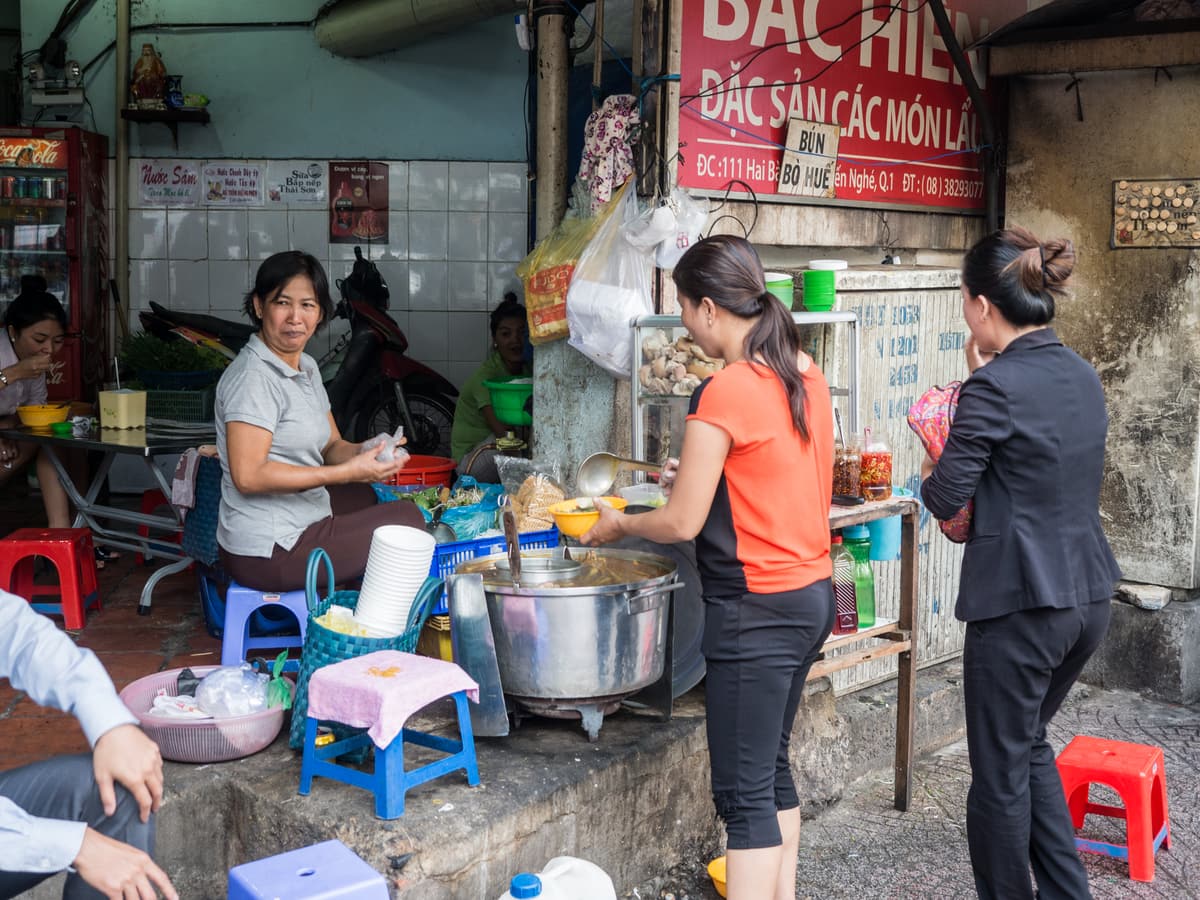
Eat on the pavement
Pho for breakfast, bun cha at lunch, banh mi in between and egg coffee in the afternoon. A guided street food tour is the easiest way to find the best stalls on the first night.
Ta Hien beer street
The short street of bars and bia hoi (fresh draught beer) stalls where locals and backpackers sit on tiny stools. Liveliest late in the evening; opening hours are regulated and can change.
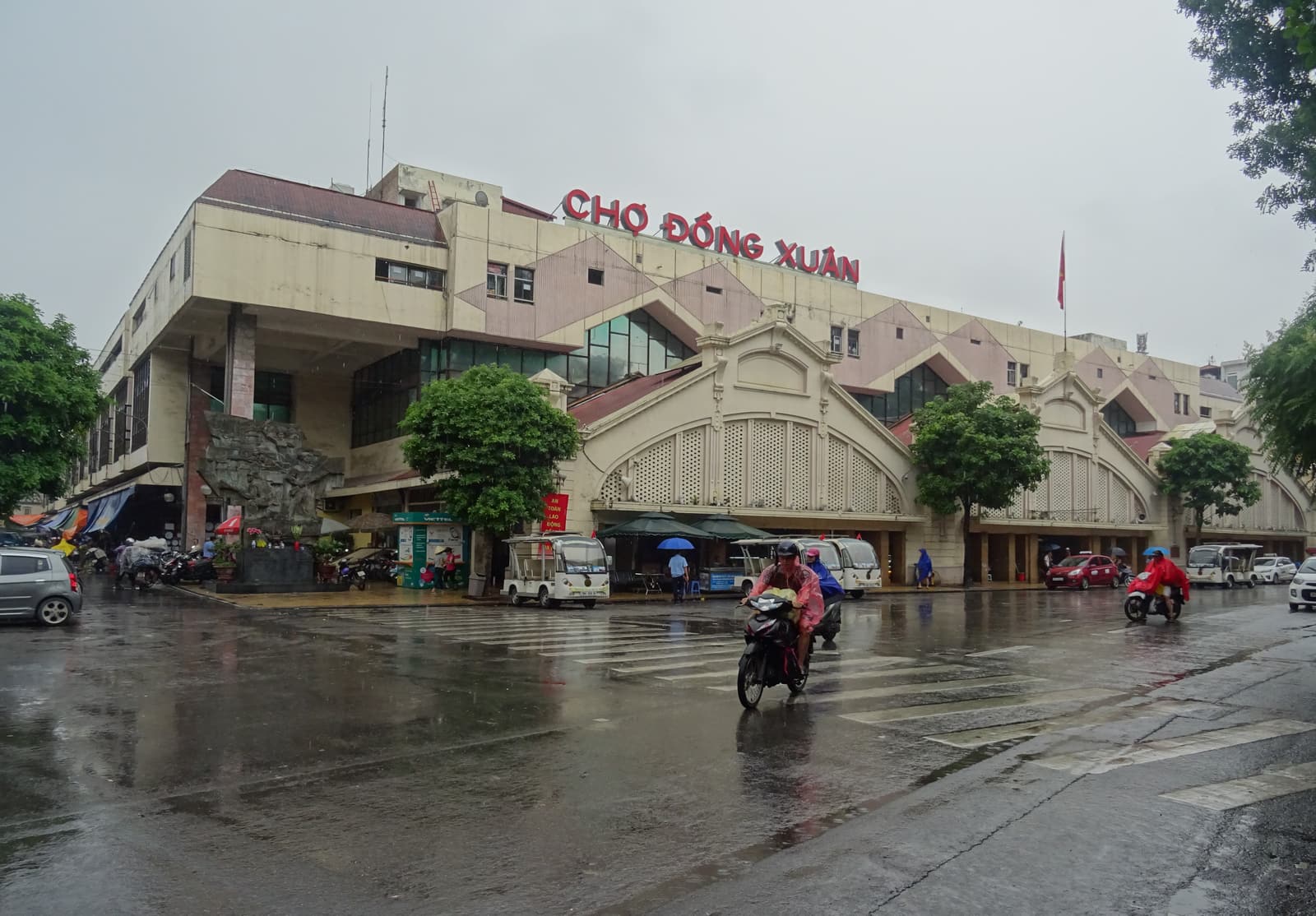
Dong Xuan Market and the night market
The big covered Dong Xuan Market sits at the northern edge; on weekend evenings a night market runs along the streets from the market towards the lake.
Bach Ma Temple and the old gate
Bach Ma, on Hang Buom street, is among the oldest temples in the quarter, and O Quan Chuong is the last surviving gate of the old city walls. Both are small and free or cheap to visit.
How to get to Old Quarter
- On foot: from Hoan Kiem Lake, simply walk north — the Old Quarter begins on the other side of the road.
- By Grab or taxi: ask for Hoan Kiem Lake or a street name such as Hang Bac; many lanes are too narrow or closed for cars in the evening.
- From the airport: bus 86 and most transfers stop near the lake or the Opera House. See getting to Hanoi.
Insider tips
- Cross the road slowly and steadily; motorbikes will flow around you. Do not run or stop suddenly.
- Pavements are for parking and cooking, so you will often walk in the road. Keep bags on the side away from traffic.
- Agree prices before eating at stalls without a menu, and before getting into a cyclo.
- Weekend evenings are the most atmospheric but also the most crowded — and the walking street closes some roads to traffic.
Best tours & tickets for Old Quarter
These GetYourGuide experiences include Old Quarter or pair well with it:
 Food tour from €17
Hanoi: Guided Food Tour with Train Street Visit
The best-known street food walk in Hanoi: a guide leads you through the Old Quarter to a string of family-run stalls and finishes with a visit to Train Street. Thousands of reviews and a low price make it the easy first-night choice.
- Street food tastings with a local guide
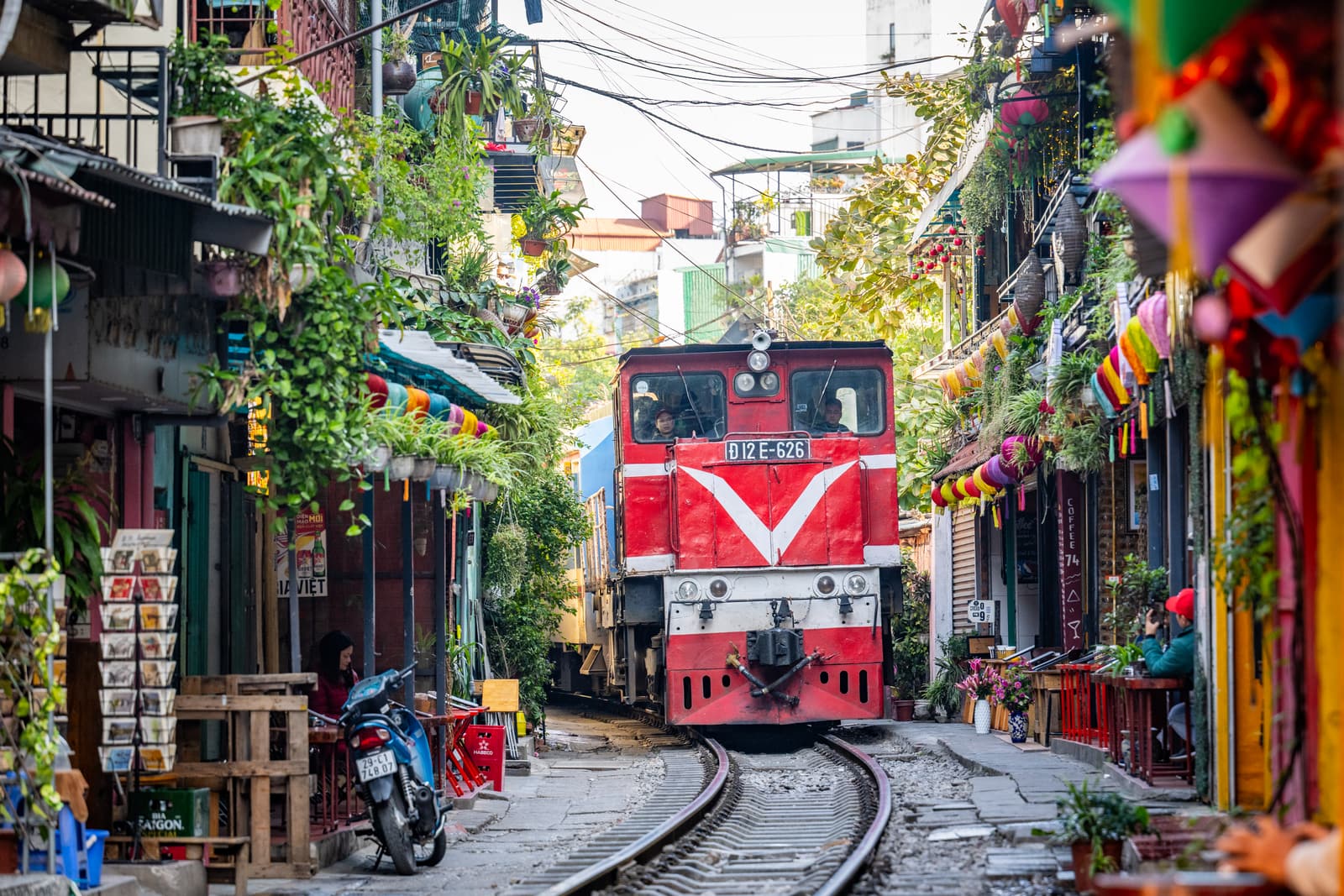
- A stop on Train Street
- Hanoi’s most-reviewed food walk
 Cyclo tour from €19
Hanoi: Old Quarter Cyclo Tour and Egg Coffee
Sit back in a pedal-powered cyclo through the Old Quarter and stop for an egg coffee.
- Cyclo ride through the Old Quarter
- Egg coffee stop
- Gentle pace
Vespa tour from €55 Hanoi After Dark Vespa Tour with Street Food & Night Vibes
An evening on the back of a Vespa: lit-up streets, food stops and the night-time buzz of the city, with a driver at the handlebars.
- Evening Vespa ride
- Street food stops
- Night-time city atmosphere